
TURN MARKETING EFFORTS INTO A CLEAR STRATEGY
Digital marketing works best when every activity has a purpose. A strong strategy helps your brand understand where to focus, who to reach, what to communicate, and how to measure progress
A Strategy Built Around Your Business Goals
Digital marketing is not about being everywhere.
It is about choosing the right channels, understanding your audience, communicating the right message, and creating a clear path toward your goals. My approach begins with understanding your business and audience, researching the digital landscape, identifying opportunities, selecting suitable marketing channels, and developing a structured strategy that can be measured and improved over time.
My Strategy Approach
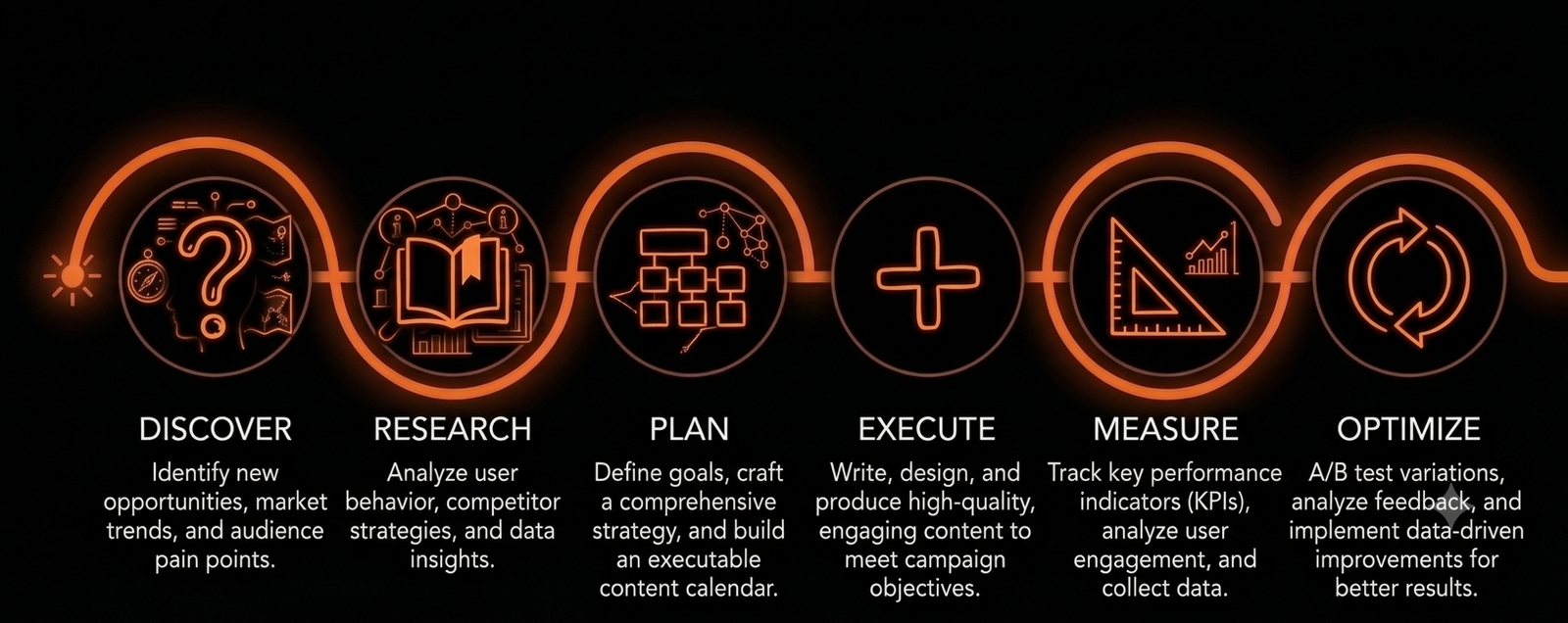
THE FOUR PILLARS OF DIGITAL MARKETING STRATEGY
RESEARCH
Understanding your business, audience, competitors, industry, and digital environment.
PLANNING
Creating a clear marketing direction based on your goals and available resources.
INTEGRATION
Connecting channels such as SEO, content, social media, and other digital activities into one consistent strategy.
OPTIMIZATION
Using performance insights to identify opportunities and improve future marketing activities.
WHAT DOES DIGITAL MARKETING STRATEGY INCLUDE?
A Clear Direction For Your Digital Marketing
-
Business & Goal Analysis
Understanding your business objectives and translating them into digital marketing goals.
-
Target Audience Research
Identifying your ideal audience, their needs, interests, behaviours, and online journey.
-
Competitor Analysis
Researching competitors to understand their digital presence, strategies, content, and opportunities.
-
Digital Channel Strategy
Identifying the most relevant digital channels for your business and objectives.
-
Content Strategy
Planning what your brand should communicate, where it should communicate, and how it should connect with your audience.
-
Customer Journey Planning
Mapping how potential customers discover, interact with, and move toward your brand or offering.
-
Performance Measurement
Identifying relevant metrics and KPIs to track marketing performance.
-
Strategy Optimization
Reviewing results and refining the strategy based on insights, performance, and changing business needs.
Marketing With Direction, Not Guesswork.
Don't just market your brand. Give every marketing effort a purpose.
Effective digital marketing starts with a clear understanding of where your brand is, where you want to go, who you want to reach, and how to get there. I bring together research, audience insights, content, SEO, social media, and performance analysis to create a structured marketing direction tailored to your brand. A strong strategy connects all your digital activities instead of treating them as separate efforts. It begins with defining your goals, understanding your audience, selecting the right channels, planning meaningful content, creating a clear customer journey, and measuring results to continuously improve your marketing efforts.
FAQ
Everything you need to know about digital marketing strategy
What is a digital marketing strategy?
A digital marketing strategy is a structured plan that defines how a business can use digital channels and activities to reach its target audience and work toward its marketing goals.
Why does my business need a digital marketing strategy?
A strategy can provide clear direction, help prioritize marketing activities, connect different channels, and make it easier to measure and improve your efforts.
What does your digital marketing strategy service include?
It can include business and goal analysis, audience research, competitor research, channel planning, content strategy, customer journey planning, performance measurement, and optimization.
Can you create a strategy for a new business?
Yes. A strategy can be developed for a new business by first understanding its goals, audience, market, competitors, and available digital opportunities.
Can you improve my existing digital marketing strategy?
Yes. An existing digital presence can be reviewed to identify gaps, opportunities, and areas where the current approach can be refined.
Which digital marketing channels do you include in the strategy?
The channels depend on your business and goals. They may include SEO, social media, content marketing, email marketing, websites, and other relevant digital channels.
How do you measure the success of a digital marketing strategy?
Success can be evaluated using relevant KPIs and metrics such as website traffic, engagement, search visibility, leads, conversions, and other business-specific goals.
How often should a digital marketing strategy be reviewed?
A strategy should be reviewed regularly to understand performance, respond to changes in audience behaviour and digital platforms, and identify opportunities for improvement.
Ready to GIVE YOUR MARKETING A CLEAR DIRECTION ?
Let’s build a digital marketing strategy that connects your goals, audience, channels, content, and results.